 Wondrlink Foundation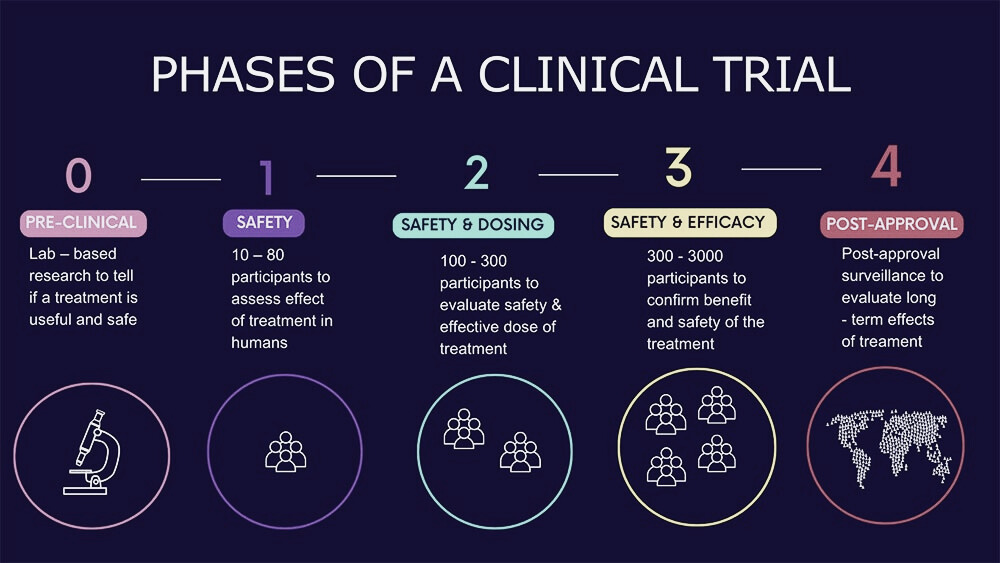
What Most People Picture vs. Reality
When someone says 'clinical trial,' you probably picture scientists in white coats treating patients like lab rats. Maybe you worry about getting a sugar pill instead of real medicine. Or being stuck in an experiment you can't leave.
I've worked with hundreds of patients considering trials, and here's what actually happens: you get careful medical attention, clear information about what to expect, and the right to walk away at any time. Let's break this down step by step.
Before You Sign Anything: Informed Consent
The first thing that happens? A long conversation. The research team explains exactly what the trial involves, what they're studying, and what they're hoping to learn. You'll get a detailed document spelling out the schedule of visits, any procedures involved, and possible risks and benefits.
You can take this document home. Show it to your family. Ask your other doctors about it. There's no pressure to decide immediately. Federal regulations, specifically 45 CFR 46 (the Common Rule), require that you have time to consider your decision without coercion.
The Different Types of Trials
Clinical trials happen in structured phases, starting in the lab and moving step by step to human participants. Each phase has a distinct purpose and is designed to slowly increase understanding while minimizing risk.
Pre-Clinical (The Lab): This is where it all starts. Lab-based research using cells and animal models to see if a treatment is even useful and safe enough to test in humans. Most experimental treatments never make it past this stage.
Phase 0 (Exploratory): An optional, very small step often involving fewer than 10 people. It's a quick, low-dose check to see how the drug is metabolized and whether it acts as expected in the body, before moving to the full Phase 1 study. Not all trials include this phase.
Phase 1 (Safety): Very small groups, usually 10 to 80 participants, to assess the treatment's safety and identify its most common side effects in humans. Researchers are asking: Is this safe enough to keep testing?
Phase 2 (Safety and Dosing): Larger groups of 100 to 300 participants to evaluate safety further and to find the effective dose of the treatment. The question shifts to: What dose works best with acceptable side effects?
Phase 3 (Safety and Efficacy): The largest groups, typically 300 to 3,000 participants, to confirm the benefit and safety of the treatment by comparing it to the current standard of care. This is the phase that determines whether a treatment gets FDA approval.
Phase 4 (Post-Approval): After the FDA approves the treatment, this phase involves ongoing surveillance to monitor long-term effects and safety in the general patient population. Sometimes rare side effects only show up when thousands of people use a treatment.
The Big Question: Will I Get a Placebo?
This is everyone's biggest fear. But here's what most people don't know: in cancer trials, you typically don't get a placebo alone. You'll usually receive either the standard treatment plus the new drug, or just the standard treatment. The research team will tell you upfront what your options are.
Some trials do use placebos, but you'll know before you start if that's a possibility. And thanks to the 21st Century Cures Act passed in 2016, there's increased emphasis on patient-centered trial design. If a better treatment becomes available during the trial, your doctor should tell you about it.
What Your Day-to-Day Looks Like
Most trial participants are surprised by how normal most days are. You'll have regular appointments, just like standard treatment. The main difference? More monitoring, more tests, and more check-ins with your care team.
You'll probably need to:
-
Keep a diary of symptoms or side effects
-
Come in for extra blood tests or scans
-
Answer questions about how you're feeling
-
Stay in touch with the research team between visits
Some people find the extra attention reassuring. Others find it exhausting. Both reactions are completely valid.
Your Rights as a Trial Participant
You can leave a trial at any time, for any reason. Period. No one can force you to stay. This isn't just good practice; it's federal law. The Belmont Report, published in 1979, established the ethical principles that still govern human research today: respect for persons, beneficence, and justice.
The research team must tell you about any new risks they discover. And you have the right to ask questions throughout the entire process. If something doesn't feel right, speak up. Good research teams want to hear your concerns.
The Enrollment Gap
Here's something that keeps me up at night: only about 7% of adult cancer patients enroll in a treatment trial. Not because they don't qualify, but because they don't know about them. The average person spends six months trying to figure out what trials might help them. That's six months many don't have.
This is why patient education matters so much. Every patient deserves to know their options, including clinical trials. Not to pressure anyone into joining, but to help them make informed decisions about their own care.
Questions to Ask Before Joining
If you're considering a trial, write down your questions. Ask about the schedule, the risks, and what happens if you want to stop. Ask what happens if a better treatment becomes available. Ask about costs, because many trial-related costs are covered, but not always all of them.
Some specific questions worth asking:
-
What phase is this trial, and what does that mean for me?
-
How does this treatment compare to my current options?
-
What side effects have other participants experienced?
-
How often will I need to come in for appointments?
-
What costs will my insurance cover versus what the study covers?
-
Can I continue seeing my regular oncologist during the trial?
Remember: good research teams want you to ask questions. They want you to understand exactly what you're signing up for. Because informed patients make better participants, and better participants help us learn more about fighting disease.
Where to Learn More
The National Cancer Institute maintains ClinicalTrials.gov, the largest database of clinical studies in the world. The FDA's website has plain-language guides about the drug approval process. And organizations like the American Cancer Society offer free resources about understanding trial participation.
At Wondrlink Foundation, we believe what we offer to one, we offer to all. Our Patient Navigator Program connects patients with volunteers who can help explain trial options in plain language. Not medical advice, but educational support when you need it most.
Topics: