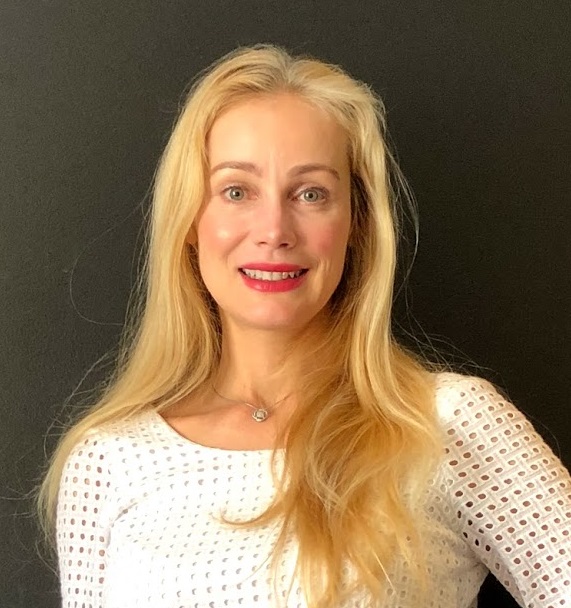
 Ildiko Csiki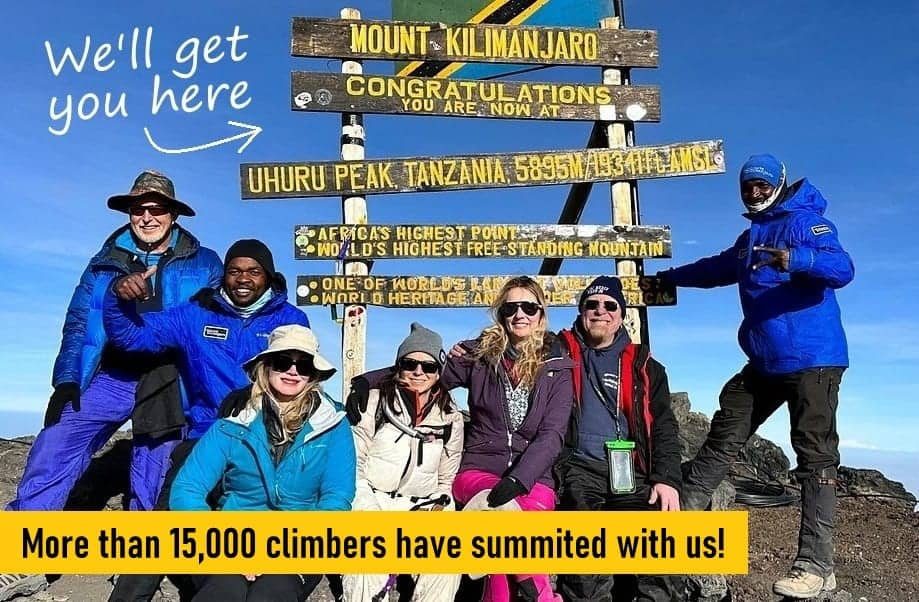
Why I Needed to Climb a Mountain
Two years ago, I stood at the base of Mount Kilimanjaro with a group of friends, staring up at something I wasn't sure I could do. I'm a physician. I spend my days helping patients face impossible odds, making decisions when the path forward isn't clear, trusting me to guide them through terrain they've never walked before.
I wanted to know what that felt like from the other side.
When you're diagnosed with cancer, everything changes in an instant. You're suddenly dropped into a world you don't understand, speaking a language you've never heard, expected to make life-or-death decisions about things you can't pronounce. The statistics are sobering: only about 7% of adult cancer patients enroll in a treatment trial, even though trials often represent their best chance at accessing cutting-edge treatments. Most patients don't even know these options exist, or they learn about them too late.
I climbed Kilimanjaro because I needed to remember what it feels like to be completely dependent on someone else's knowledge, someone else's judgment, someone else's steady hand when everything in you wants to turn back.
The Parallels Between Mountains and Diagnosis
Kilimanjaro isn't a technical climb. You don't need ropes or ice axes. What you need is the ability to keep putting one foot in front of the other when your body screams at you to stop, when the altitude makes your thoughts fuzzy, when you can't see the summit through the clouds.
Sound familiar?
Research on adventure therapy has shown that challenging physical experiences can foster profound psychological resilience. A study published in the Journal of Rehabilitation Research and Development found that combat veterans who climbed Kilimanjaro experienced enhanced self-efficacy and emotional fulfillment from overcoming the climb's demands. The researchers noted something I felt viscerally during my own climb: when you face the unknown and come through it, you're changed.
Cancer patients face their own Kilimanjaro every single day. The treatment protocols that stretch for months. The waiting rooms. The scan results. The conversations that start with "we need to talk about your options." Each step requires a kind of mental fortitude that most people never have to develop.
What Guides Actually Do
We used Ultimate Kilimanjaro for our expedition. They advertise themselves as the top tour company for the mountain, having guided over 15,000 climbers. We had an amazing experience and I recommend them highly to friends. (Fun fact: they have our summit photo from our group on their main website. I'm the one in the tan floppy hat and black sunglasses in the front on the left. We must have been memorable...)
What struck me most wasn't the logistics they handled or the equipment they provided. It was how they read us. Our lead guide could tell when someone was struggling before they said a word. He knew when to push and when to slow down. He'd seen altitude sickness a thousand times, but he treated each of us like we were the first person he'd ever guided up that mountain.
That's what good patient navigation looks like. Not just knowing the terrain, but knowing the person walking through it.
According to experienced Kilimanjaro guides, mental preparation matters more than physical fitness. The same is true for cancer treatment. You can be in peak physical condition and still fall apart if you don't have the right support system, the right information, the right person walking beside you who's been down this path before.
The Mental Battle Nobody Warns You About
Here's something they don't put in the brochures: high altitude messes with your head. Not just headaches and fatigue, though there's plenty of that. Your mood shifts. You get irritable. Small problems feel insurmountable. The mental fog at altitude can make simple decisions feel overwhelming.
I watched my friends struggle with this. People who are normally rational, capable adults suddenly couldn't decide whether to eat breakfast. The altitude was literally changing how our brains worked.
Cancer patients experience something remarkably similar. Chemo brain. Anxiety. Depression. The cognitive load of managing appointments, medications, insurance appeals, work accommodations, family dynamics. It's not weakness. It's a normal response to an abnormal situation.
One climber's account of summiting Kilimanjaro describes the psychological impact vividly: mood shifts, grumpiness, moments of wanting to quit. But she also describes what got her through: the group, the guides, breaking the impossible journey into manageable steps.
That's exactly what we try to do at Wondrlink Foundation. We can't make the mountain smaller. But we can help you see the next cairn, the next rest stop, the next manageable goal.
Why Every Patient Needs a Sherpa
The healthcare system isn't designed for patients. It's designed for administrators, for billing codes, for efficiency metrics that have nothing to do with whether you understand your diagnosis. The average cancer patient spends months trying to figure out what options are available to them. Months they often don't have.
The 21st Century Cures Act. Right to Try. Expanded access. Compassionate use programs. These aren't just policy terms. They're pathways that could mean the difference between having options and having none. But nobody hands you a map when you get diagnosed.
On Kilimanjaro, our guides knew every switchback, every water source, every shelter. They knew which symptoms meant "push through" and which meant "we need to descend now." They'd walked this path so many times that they could focus entirely on us.
That's what patient navigators do. They've learned the terrain so you don't have to figure it out alone while you're also fighting for your life.
What the Summit Taught Me
I made it to Uhuru Peak. So did everyone in my group. Standing at 19,341 feet, watching the sun rise over the African plains, I thought about my patients. The ones who are still climbing. The ones who didn't make it. The ones just starting their ascent.
Climbing a mountain can change your life, but not because you conquer it. Because you learn what you're capable of when you have the right support. Because you discover that the impossible becomes possible when someone who knows the way walks beside you.
I came down from that mountain a better doctor. Not because I learned anything about medicine, but because I remembered what it feels like to be scared, dependent, and trusting someone else with my life. Every cancer patient does this. Every single day.
If you're facing a diagnosis right now, please know this: you don't have to climb alone. There are guides. There are resources. There are people who have walked this path and want to help you find yours.
At Wondrlink Foundation, that's exactly what we do. We help patients understand their options. All of them. Not just the ones their doctor mentions. Because what we offer to one, we offer to all.
The mountain is hard. But you don't have to figure out the route by yourself.
References
-
Climbing towards recovery: investigating physically injured combat veterans' psychosocial response to scaling Mt. Kilimanjaro - Journal of Rehabilitation Research and Development
-
Mental Toughness for Kilimanjaro: Prepare Your Mind to Summit - Climb Kili
-
Mental Challenges on Kilimanjaro: How to Stay Strong - Hike Kilimanjaro
-
Summiting Kilimanjaro: A Mental Challenge - By the Seat of My Skirt
-
How Climbing a Mountain Changed My Life - Simone Knego
Topics: